
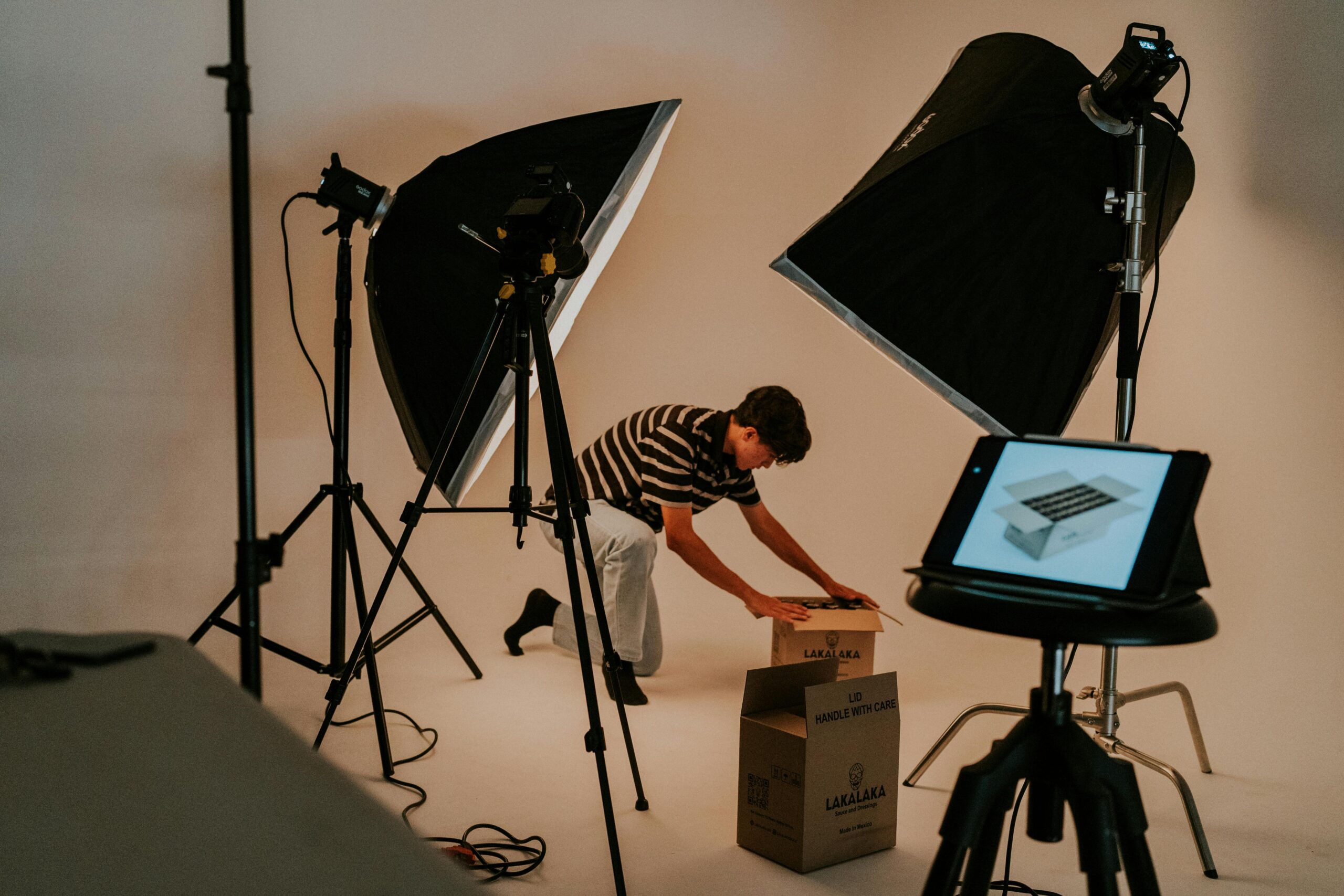
How Visual Branding Principles Are Shaping Photography Studios
I used to think great photography studios were built around gear. Better lenses. Bigger lights. More props stacked neatly along the wall. That belief lasted until I visited a small studio in regional NSW that barely had half the equipment most photographers brag about online. Yet clients kept lining up.
Why? Branding.
The space felt intentional. Soft tones everywhere. Textures matched the editing style. Even the waiting chair looked like it belonged inside the final gallery delivery. Walking in felt like stepping into the photographer’s portfolio before a single photo was taken.
That changed how I look at studios completely.
These days, visual branding shapes everything from wall colour to prop selection. Clients notice consistency even if they cannot explain why. They simply feel comfortable. And comfort shows up in photos every single time.
Consistency Builds Trust Faster Than Skill
Here’s something slightly controversial. Clients rarely judge technical skill first. They judge vibe.
Harsh but true.
The last time I redesigned part of a shooting space, I swapped mismatched props for a tighter colour palette. Nothing dramatic. Neutral wraps, warmer timber textures, softer backdrops. Bookings increased within two months. Same camera. Same editing style. Different visual identity.
Studios are starting to think more like lifestyle brands than service providers. When someone books newborn photography or family portraits, they are buying an experience that begins long before the shutter clicks.
Even preparation conversations have shifted. I once had a parent ask whether certain grooming routines mattered before a session, which naturally led into discussions about presentation and even scalp care for close-up portraits. That level of awareness didn’t exist years ago. Clients now understand that branding includes personal appearance as much as studio aesthetics.
Every Detail Now Tells a Story
Photography spaces used to hide behind neutral functionality. White walls. Generic furniture. Portable setups that looked temporary.
Not anymore.
Studios today borrow heavily from retail and beauty environments. Think curated shelves, layered textures, intentional lighting zones. The influence is obvious once you notice it. Product displays inspired by cosmetic packaging suppliers, organised layouts that guide movement, and styling choices that photograph beautifully behind the scenes.
I actually prefer this shift. A studio should feel alive, not clinical.
When clients walk in, they subconsciously read the room. Is this premium? Relaxed? Playful? Elegant? Those impressions affect posture, confidence, even how parents hold their newborns. Visual branding quietly directs behaviour without anyone realising it.
That’s powerful.
Editing Style and Physical Space Must Match
One mistake I see often is disconnect. Moody editing paired with bright pastel studios. Minimal editing inside cluttered environments. It creates friction.
Your physical space should preview your final images.
If your galleries lean soft and organic, your studio needs warmth and texture. If you specialise in clean commercial work or headshots, sharp lines and controlled lighting make more sense. Clients feel reassured when expectation matches outcome.
I learned this the hard way after experimenting with darker edits while shooting in a bright white setup. The photos worked technically, but something felt off. Once I adjusted the environment to match the visual tone, sessions flowed better. Less directing. More natural interaction.
Funny how small changes solve big problems.
Branding Extends Beyond the Shoot
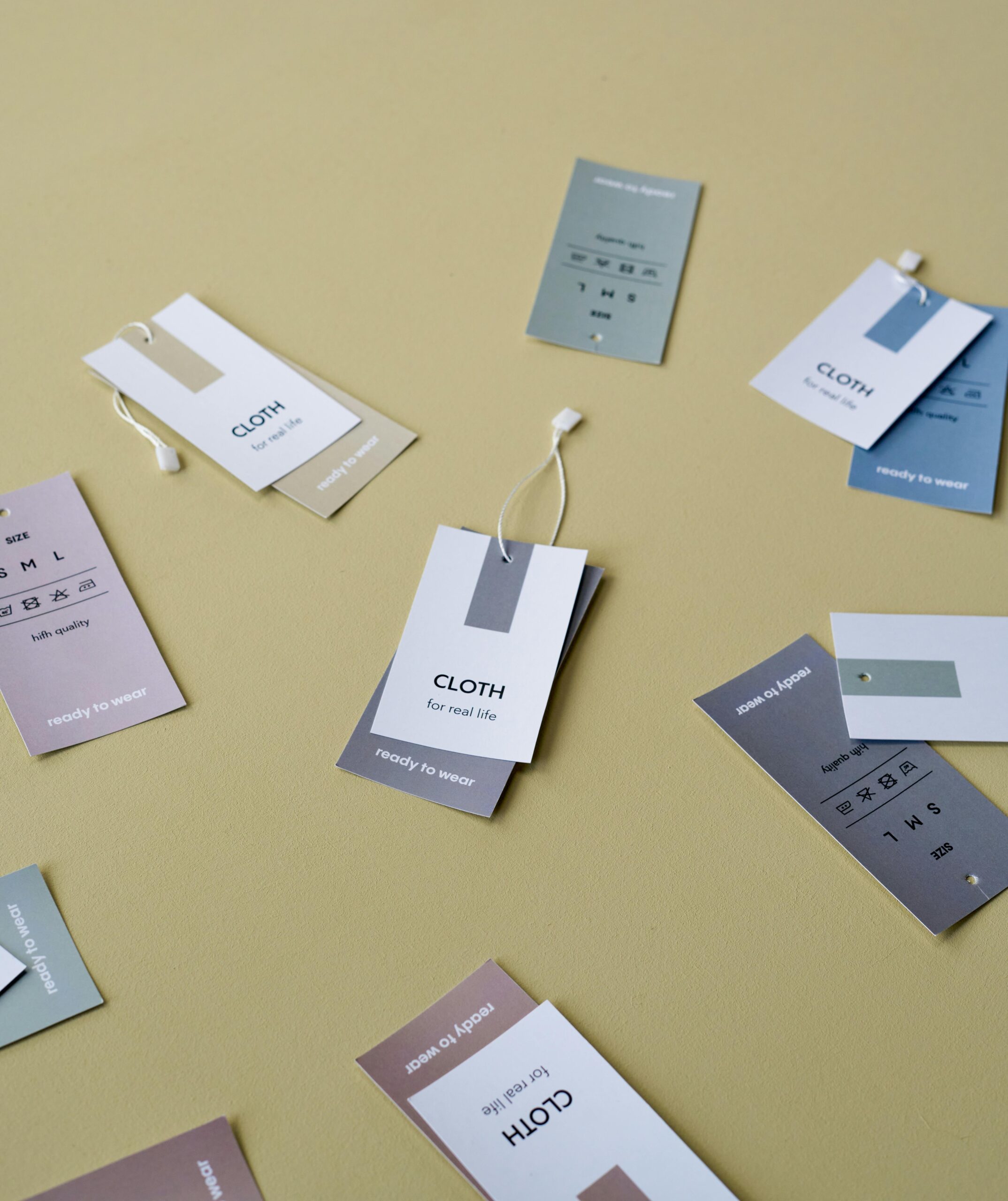
Visual branding does not stop once photos are delivered. Packaging, online galleries, social feeds, and even booking confirmations contribute to how clients remember the experience.
Photographers who treat branding as an afterthought usually struggle with repeat bookings. Those who design every touchpoint carefully tend to build loyal audiences without aggressive marketing.
I once saw a studio increase returning clients simply by redesigning delivery boxes and preview screens. Nothing fancy. Just consistent colours and textures aligned with their photography style. It felt cohesive. Memorable.
People remember how something felt more than how it looked.
The Human Side of Studio Branding
At the end of the day, branding works best when it reflects personality. Not trends.
Some studios chase whatever aesthetic is popular online that month. Beige today, bold tomorrow. Clients notice inconsistency quickly. Authentic branding grows slower, but it lasts.
My favourite studios feel personal. A slightly imperfect chair. Handmade props. Light falling through a window at the wrong angle but somehow perfect anyway. Real spaces create relaxed clients, and relaxed clients create honest images.
That’s the goal, isn’t it?
Photography studios are no longer just places where pictures happen. They are environments designed to communicate trust before a word is spoken. When visual branding aligns with purpose, style, and lived experience, the camera almost becomes secondary.
Almost.